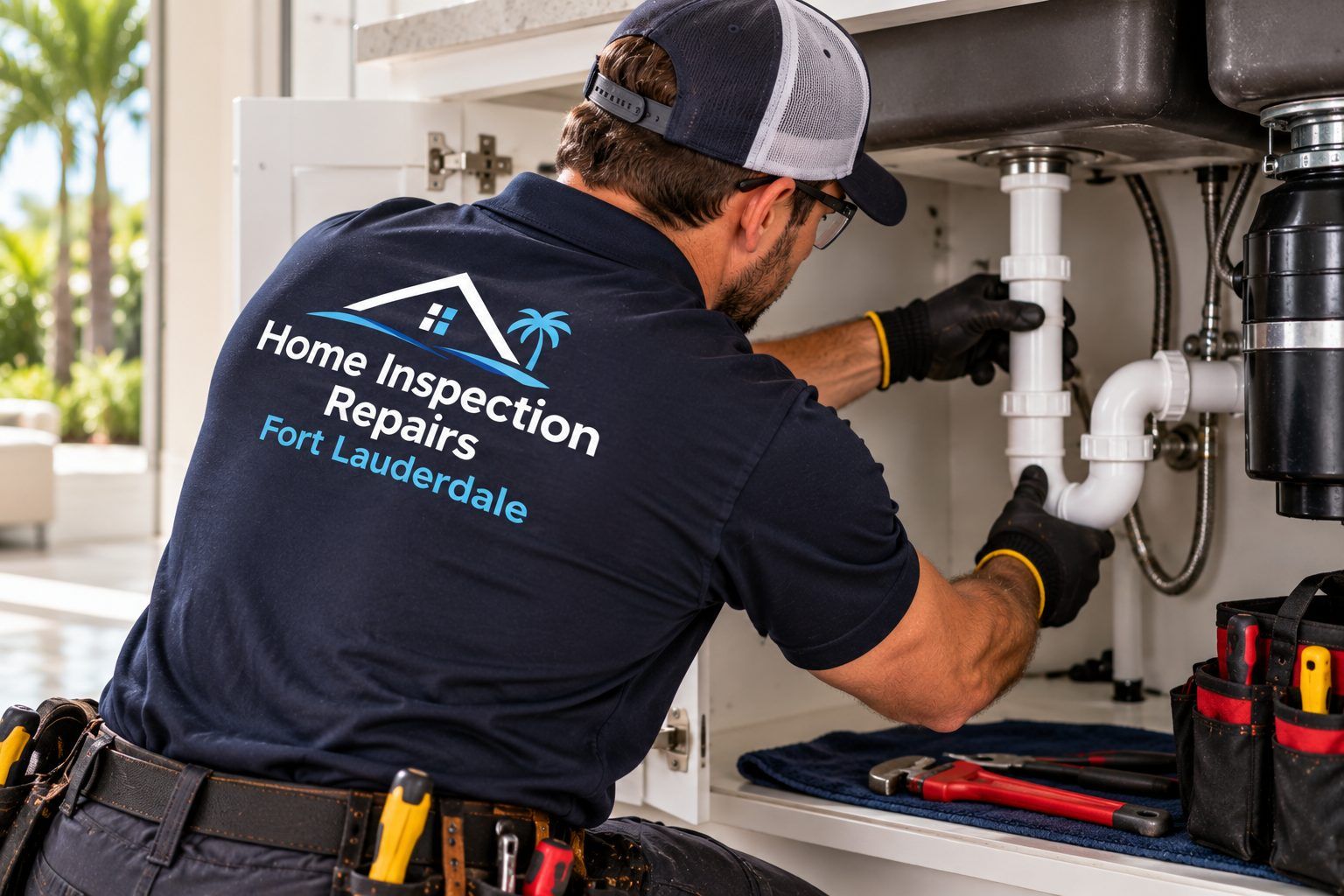
Residential Plumbing Repair Planning
Plumbing Repairs and Repiping in Fort Lauderdale, FL
Inspection identified plumbing concerns? Get a Free Estimate
Residential Plumbing Repair Planning
Inspection identified plumbing concerns? Get a Free Estimate
Plumbing repairs and repiping in Fort Lauderdale, FL usually follow an inspection that finds leaks, corrosion, or outdated pipe materials such as polybutylene or galvanized steel. Isolated problems can often be repaired; widespread pipe failure may justify a whole-house repipe, which published guides put at roughly $4,000–$15,000 or more depending on home size and material. Repiping requires a licensed plumber and a city permit.
Plumbing problems can range from a small fixture leak to deterioration throughout a home's piping system. Inspection reports may identify corrosion, active leakage, older materials, or evidence of previous water damage. Understanding the extent of the problem is essential before choosing between a targeted repair and repiping.
Home Inspection Repairs Fort Lauderdale helps homeowners evaluate plumbing-related inspection findings and plan the next steps. Our approach considers the property's age, pipe materials, accessibility, and signs of recurring problems.
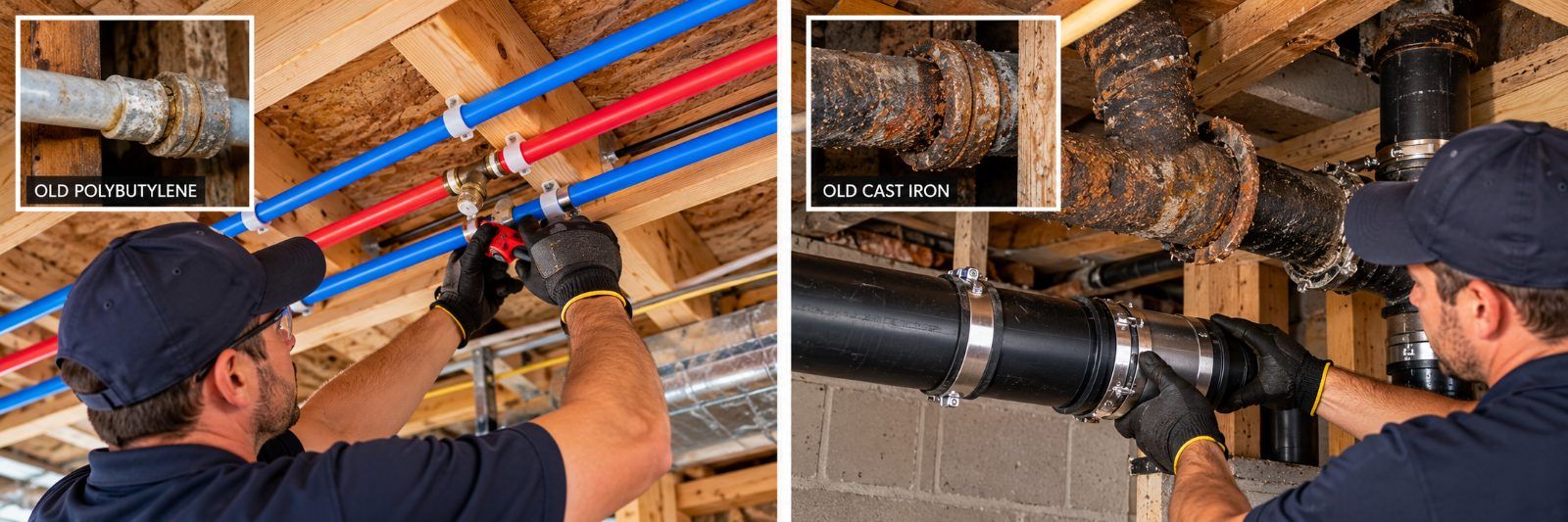
A proper plumbing evaluation helps determine whether the issue is isolated or part of a larger system problem. Repairs and repiping must be completed by appropriately qualified professionals where required.
Leaks can occur at fixtures, supply connections, valves, and concealed piping. The location and cause of the leak should be identified before repairs begin. Water-damaged materials may require separate evaluation after the plumbing issue is corrected.
Corrosion can affect the reliability of plumbing components and may appear in inspection photographs or reports. The appropriate response depends on the material, extent of deterioration, and overall system condition.
Repiping may be considered when plumbing materials are extensively deteriorated, leaks recur, or localized repairs are no longer a practical long-term solution. A qualified plumber should evaluate pipe routing, materials, access requirements, and restoration needs.
Insurance and property inspections may identify active leaks, visible deterioration, or concerns about pipe materials. Written insurer requirements should be reviewed before determining which corrections are necessary.
Slow drainage, leaking fixtures, and damaged connections can create maintenance concerns. The right repair depends on whether the problem is limited to a fixture or connected to a larger plumbing issue.
| Repair Item | Typical Range | Main Price Factors |
|---|---|---|
| Localized leak repair | Quoted after diagnosis | Leak location, wall or slab access |
| Pipe section replacement | Quoted after diagnosis | Pipe material and run length |
| Whole-house repipe | $4,000 – $15,000+ ($4–$10 per sq ft) | Home size, PEX vs copper, drywall repair |
| Fixture and valve corrections | Quoted per item | Number of fixtures and parts |
Ranges are general market figures from published cost guides and state program estimates (sources below), not quotes. South Florida pricing, HVHZ code requirements, and permit fees can push costs higher. Your written estimate is based on your actual inspection findings.

We support evaluating whether a localized correction can reasonably resolve the concern.
Recurring leaks and widespread deterioration deserve consideration beyond a temporary fix.
We consider how documented plumbing findings affect maintenance and insurance-related decisions.
Planning should account for access, disruption, and any finishing work needed after plumbing repairs.
Many Florida insurers will not write or renew a policy on a home with polybutylene supply piping, and some also object to galvanized steel. Your 4-point inspection will note the pipe type; ask your agent whether replacement is required.
Published guides put whole-house repiping at roughly $4,000–$15,000 or more, or about $4–$10 per square foot. PEX generally costs less than copper. Slab-on-grade construction, common in South Florida, can affect routing and cost.
Yes. Repiping and most water supply or drain replacement require a plumbing permit and a licensed plumbing contractor, with a city inspection before walls are closed.
If the problem is isolated and the rest of the system is in good condition, a targeted repair is often enough. Repeated leaks, widespread corrosion, or an insurer objection to the pipe material usually point toward repiping.
Get practical guidance on plumbing repairs and repiping options.
Free — no obligations
Review leaks, inspection observations, and any available plumbing history.
Determine whether the problem is isolated or may indicate broader deterioration.
Discuss targeted repairs, partial replacement, or repiping as appropriate.
Account for access, materials, applicable permits, and licensed trade requirements.
Discuss the corrected conditions and available records for future reference.